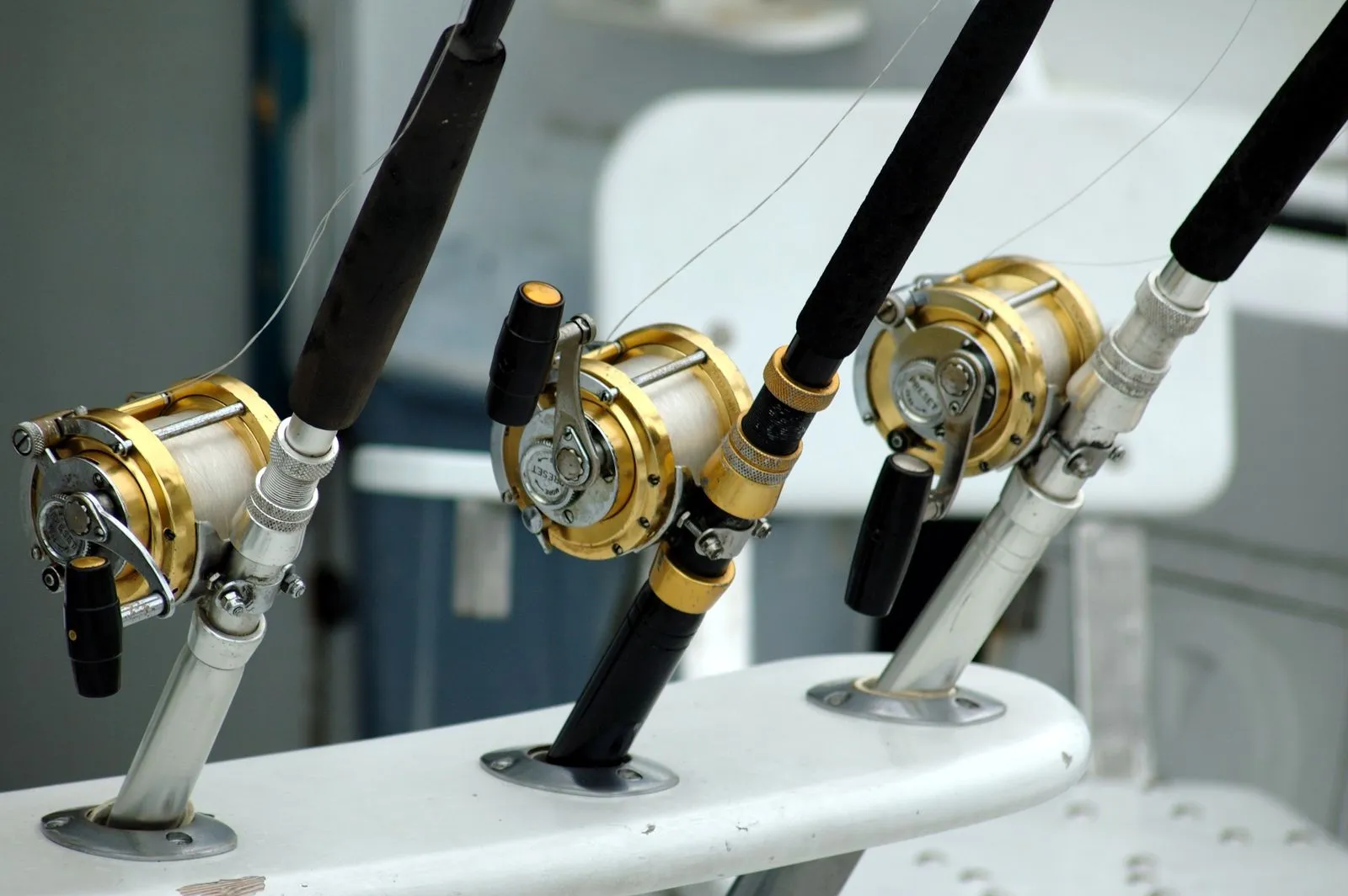
A first salmon fishing charter is part fishing lesson, part day on the water. You don’t need your own gear or years of experience to join in. The crew can explain the equipment, show you how to cast, and help when a fish takes the line. A little preparation makes the outing more comfortable, so here’s what to expect before departure, while fishing, and when it’s time to bring in your catch.
Before You Leave Shore
Check your booking details for the meeting point, departure time, trip length, and any instructions from the operator. Ask whether fishing gear, bait or lures, and safety equipment are included. If you’re unsure about conditions or what to pack, contact the charter before the day. Arrive with enough time to listen to the safety briefing and get settled without rushing.
Wear comfortable layers that suit the forecast, plus non-slip shoes that can handle a wet deck. Bring sun protection, drinking water, and any personal medication you may need. A light waterproof jacket can be useful even when the sky looks clear. Keep valuables to a minimum, and pack your phone or camera in a waterproof case or secure bag.
What Happens Onboard
After boarding, the crew will cover safety rules and show you where to sit, move, and store your belongings. Listen closely, especially when the boat is underway or people are handling hooks. The trip may include a ride to a fishing area, time spent trying different spots, and breaks to adjust tackle or move locations. Conditions and catches vary, so enjoy the process rather than expecting a guaranteed fish.
Tell the crew if you’re new to fishing, feeling unsteady, or prone to seasickness. They can explain what to expect and point out a comfortable place to sit. If you think you might feel queasy, ask your health professional or pharmacist about suitable options before the trip, and follow the product directions. Fresh air, water, and looking toward the horizon may also help some passengers.
Fishing Basics, Step By Step
The crew will usually set up the rod and show you how to hold it, use the reel, and release or retrieve the line. Follow their instructions for casting, or let them cast for you if that feels easier. Keep the line clear of other anglers, and avoid swinging a rod until the crew confirms the area is safe. Ask for a demonstration whenever a step is unfamiliar.
When you feel a bite, stay calm and listen for the crew’s direction. They may ask you to reel steadily, keep the rod at a particular angle, or pause while another line is moved. As the fish comes close, let the crew handle the landing net, hook removal, and any safety steps. Don’t grab a hook or reach for a fish unless the crew says it’s safe.
Before fishing begins, ask how the crew handles the catch. Rules can differ depending on the location, species, and circumstances, so follow the skipper’s guidance on keeping or releasing fish. If you do keep a catch, ask whether the crew can help with safe storage or cleaning, and bring an appropriate cooler only if the operator recommends it.
Make The Day Easier
Eat a light meal before departure if that suits you, and drink water throughout the outing. Avoid bringing loose items that could slide across the deck. If you’re traveling with children or someone who needs extra assistance, check accessibility, age guidance, and life-jacket arrangements before booking. A quick conversation with the operator can clarify what the boat can accommodate.
Stay flexible: wind, swell, and fish activity can change the plan. Take a moment to learn the basic controls, enjoy the coastal scenery, and ask questions between fishing sessions. A good first trip is about picking up a few skills and feeling confident on the water, whether or not a salmon comes aboard.
Prepare for the conditions, listen to the crew, and take each fishing step at your own pace. You can arrive without experience and still enjoy learning how a charter works. For trip details, gear arrangements, or advice on what to bring, contact Hunter Salmon Charters before you head out.